
Beyond Hollywood Magic The Tech makes blockbusters
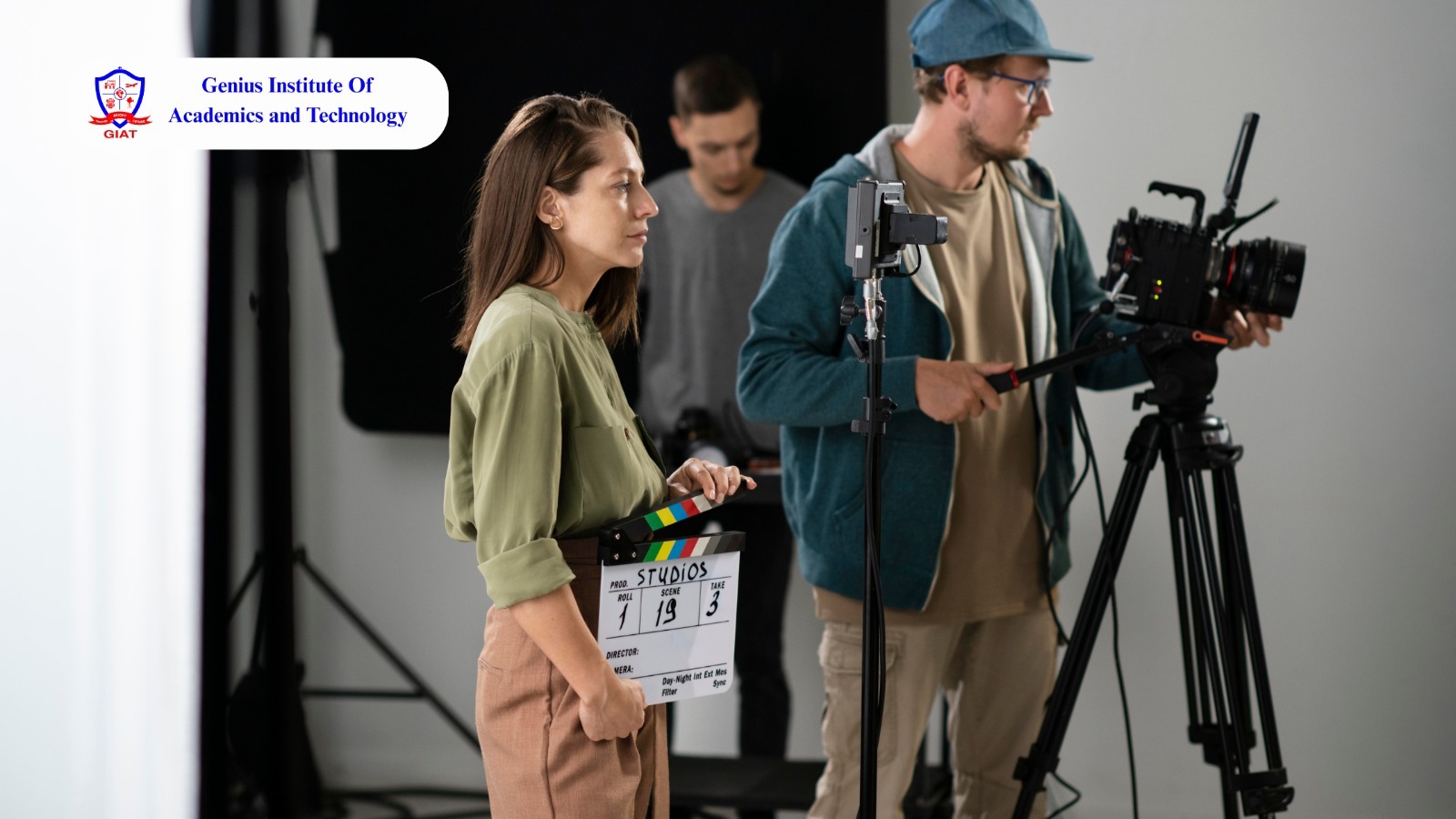
Film technology has traveled a long way from the days of today's ultra-ethic, CGI-managed blockbusters since the days of silent and black-and-white reels. Every breathtaking visual and spontaneous infection is a mixture of innovative tools, digital artistry, and sometimes developing technology. From high-quality cameras to AI-powered editing software, film technology has revolutionized the story, by furthering the boundaries of imagination and visual experience. In this blog, we dive into the attractive world of film technology—given how it enhances creativity, improves efficiency, and shapes the future of cinema. Film Technology
The Excitement of Filmmaking
- Filmmaking is the place where imagination meets innovation. It is an exciting process of converting a simple idea into a living, breathing story that attracts audiences around the world. From the first spark of a script to the final deduction on the editing table, every step is a mixture of creativity, cooperation and state -off -airt -technique.
- Whether it is capturing the right shot, designing the mind-looking visual effects, or sinking a powerful soundtrack, filmmaking is an art that develops continuously. This is not just about telling stories - it's about people feelingIt is an exciting process of converting a simple idea into a living, breathing story that attracts audiences around the world.
- From the first spark of a script to the final deduction on the editing table, every step is a mixture of creativity, cooperation and state -off -airt -technique. Whether it is capturing the right shot, designing the mind-looking visual effects, or sinking a powerful soundtrack, filmmaking is an art that develops continuously.
- This is not just about telling stories - it's about people's feelings. It is the magic of films, which makes film production endlessly exciting
Categories in film technology:
- Cinematography technology
- Sound technology
- Editing and post-production
- Animation and CGI
- Production design technology
- Projection and performance technology
- Distribution and streaming technology
- Artificial intelligence in film production
- Career Opportunities in Film Technology
The director (DOP) of the cinematography handles the work and is responsible for the visual aesthetics, working with the director to bring the story to life. A film director makes the creative vision of the film and guides the actors, crew and post-production teams. A film editor collects raw footage, cuts the scenes, adds effects, and produces the final film using software such as Adobe Premier, AVID or Final Cut Pro. A sound designer or sound engineer manages background score, dialogue, sound effects and mixtures and focuses on clarity, soul and environmental audio. VFX artists create CGI elements such as animations, explosions and fiction scenes with high demand in films, web series and advertisements. The color workers adjust the tones and mood of the scenes to enhance the visual stability and drama. Screen writers or scripters develop scripts, screenplays, dialogues and storyboards - the key to storytelling in films, chains and advertisements. Production designer or art director sets, location, props and overall visual themes, collaborates with dress and light departments.
Camera operators work towards DOP and may be distinctive in drones, handheld, standard or underwater shots. Film production managers manage logistics, scheduling, budgeting and team coordination, serving as the backbone of the workflow. Assistant Director Supports Chief Director with Scheduling and On-Set Organization, ensures smooth daily shooting operations with scheduling and on-set organization, ensuring smooth daily shooting operations. Light technicians, or gaffers, control light setups, shading and intensity and work closely with the DOP and the director for each scene. 2D and 3D animators are creative brains that breathe life in characters and visual effects. Using special software, they play an important role in animated films and VFX-hemp projects, converting imagination into speed. On the other hand, film and media share their love for cinema by watching critics, movies and reviewing films. Whether they write for magazines, post on websites, or speak on YouTube, their insight helps the audience to find and understand films better. Meanwhile, OTT and digital content creators create attractive stories for platforms such as Netflix, YouTube and Amazon Prime. From web series and short films to branded materials, they shape the kind of entertainment they see every day.
Top Film Technology Institutes in Chennai:
- M.G.R. Government Film & Television Training Institute (Tharamani)
- Chennai Film School (Kottivakkam)
- BOFTA – Blue Ocean Film & Television Academy
- Mindscreen Film Institute (Mylapore)
- GIAT Best institute
Cinematographers and Editors in Film
In addition to middle innovative roles, cinematographers, additionally known as image directors (DOPs), play a critical position in shaping the visible language of a film. They work carefully with directors to pick out the digital camera angle, mild setup and shot compositions that reflect the mood and feeling of each scene. Cinematography isn't always only about taking pictures—snapshots—it is approximately developing a visual poem that elevates the tale. With advanced equipment along with drones, gimbals and digital cinema cameras, cinematographers use film era to paint each body with cause. Film editors enter the game after shooting. They are storytellers in the editing room, along with adding raw footage to a consistent and emotionally effective story. With devices such as Adobe Premier Pro, Final Cut Pro, and Davinci Resolve, editors adjust pacing, have visual effects, fine-tune audio, and ensure continuity. His work is important in catching hours of footage of a spontaneous and final product.
Script to Sound
Equally essential is the sound designer and audio engineer, who ensures that what you hear matches with the power you see. From background scores to environmental sounds and crisp sound effects, these professionals create an immersive audio experience. Technologies such as Dolby Atmos and spatial sound help to create a three-dimensional soundscape that enhances the emotional relationship of the audience for the viewers' view.
The scriptwriter and screenwriter is the promoter of every story. They craft compelling stories, create characters, and build plots of structure that serve as the backbone of any production. With the understanding of the screenplay writing format, dialogue, and screenplay structure, they bring ideas to life before the cameras roll. In today's world, writing for different formats—be it a feature film, web series, or short video—is a valuable and in-demand skill.
Behind the Magic and Beyond the Screen
Working behind the scenes, manufacturing managers and line producers are the actual organizers who keep the whole thing walking like clockwork. From planning the shoot agenda and coping with the finances to hiring team contributors and fixing last-minute issues, they ensure the entire manufacturing remains heading in the right direction. Their sharp eye for detail and quick decision-making abilities are what hold the chaos of filmmaking under management—so the innovative group can focus on bringing the story into existence.
On the other hand, film and media critics serve as the voice of the audience. With a deep understanding of storytelling, acting and cinematography, they analyze films and provide thoughtful reviews. His work is depicted in newspapers, online blogs, video platforms and social media channels. A strong understanding of cinema with extraordinary writing or speaking skills helps them guide the audience and enhances meaningful interactions around movies and series.
The Rise of Digital and OTT Content Creators
OTT and digital content are sometimes developed. These creators are redefining recreation by creating branded materials for original shows, web series, and small films, especially for platforms like Netflix, Amazon Prime, and YouTube. With a strong sense of viewers' trends and creative stories, they shape the material we consume daily. From the concept of ideas to the final editing, these creators handle all this, merging traditional film production with the demand of the fast book of digital platforms.

Film technology is just more than the equipment of one back scenery—this is a heartbeat of modern story stories. From high-end cameras and immersive soundscapes to smart editing tools and global OTT platforms, film technology is changing stories in life.As we dive deeply in the digital age, creativity and technology are never ahead of never before - pushing boundaries and opening endless possibilities for both creators and audiences. Whether you dream of calling the shots as a director, enjoy sewing scenes together as an editor, or simply like to be lost in a good story, understanding the craft behind the screen gives a new level of praise. This is not just about what you see - it is inserted into every frame about effort, emotion and artistry. Knowing how all this comes together helps you connect more deeply with the magic of films.The future of cinema is not only about seeing stories—it is about feeling, staying, and even making them.